
How Should You Protect a Concrete Driveway During Winter?

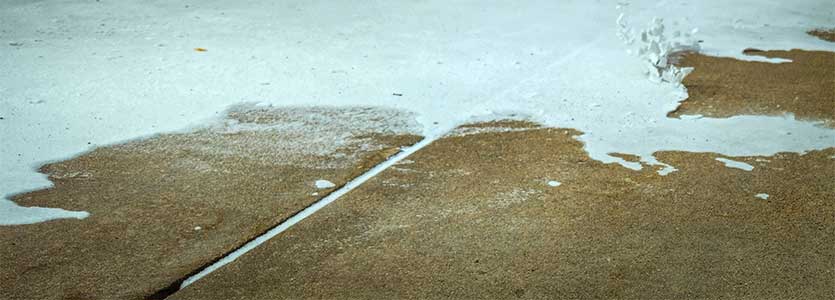
How Should You Protect a Concrete Driveway During Winter?
Winter care for a concrete driveway should stay pretty simple. Keep unnecessary deicing chemicals off the surface, remove snow and ice without abusing the concrete, and pay attention to areas where water repeatedly collects and freezes. If your driveway was poured this year, be even more conservative during its first winter.
Around Chattanooga and Cleveland, we usually deal with changing temperatures rather than months of continuous snow cover. That can create its own problems because the driveway may get wet during the day, freeze overnight, thaw again, and repeat that cycle several times during a cold stretch.
A New Driveway Needs More Caution During Its First Winter
If your concrete was installed this year, don’t treat it exactly like an older driveway that has already been through several seasons. New concrete is still relatively young, and we want to limit unnecessary exposure to deicing chemicals during that first winter.
For traction, sand is often a better choice than immediately reaching for ice melt. It won’t remove the ice, but it can improve grip without introducing additional chemicals to the concrete surface.
This doesn’t mean a new driveway is fragile. Once it has cured sufficiently, it can handle normal vehicle use. If you’re unsure where your driveway is in that process, our guide to how long you should wait before driving on new concrete explains how temperature and curing conditions change the timeline.
Don’t Use More Ice Melt Than the Situation Calls For
A little frost on a cold morning doesn’t automatically mean the whole driveway needs to be covered with deicer. If there isn’t a meaningful slip hazard, leave the surface alone.
When ice does need attention, use a product that is appropriate for concrete and follow its application instructions. More product isn’t necessarily more effective, and repeatedly loading the surface with deicing chemicals can contribute to scaling or surface deterioration over time.
We’re especially cautious with products containing ammonium nitrate or ammonium sulfate because those chemicals can attack concrete. If you aren’t sure what you have in the garage, read the label before spreading it across the driveway.
Road Salt Can Reach the Driveway Even If You Never Spread Any
One winter issue homeowners often overlook is the material that comes home on the vehicle. Road salt and other treatments collect around tires, wheel wells, and the underside of the car, then melt onto the driveway after parking.
You’ll usually notice the heaviest residue in the same parking areas because that’s where the vehicle drips each day. After a period of heavily treated roads, rinsing those deposits away when temperatures and conditions allow can reduce how long they remain concentrated on the concrete.
This deserves more attention on a newer driveway. You don’t need to wash the slab every time you come home, but repeated salt deposits in the same spots shouldn’t be ignored all winter.

Remove Snow Without Grinding Away at the Surface
For the amount of snow we typically see in Southeast Tennessee, homeowners usually don’t need aggressive equipment to keep a driveway usable. A plastic-edged shovel or snow tool is easier on the surface than repeatedly scraping it with a sharp metal edge.
Decorative concrete deserves extra care. Stamped concrete can show scratches more readily, especially when the surface has pronounced texture or a decorative sealer.
Removing snow before vehicles pack it down also helps. Once snow is compressed by tires and freezes against the slab, homeowners often end up using more scraping and more deicer than they would have needed earlier.
Watch the Areas That Stay Wet
Winter often exposes drainage problems that were already there. If one section of the driveway consistently holds water after rain, that same area may become the first place to freeze when temperatures drop.
Maintenance products won’t correct that problem. The real issue is why water remains there in the first place.
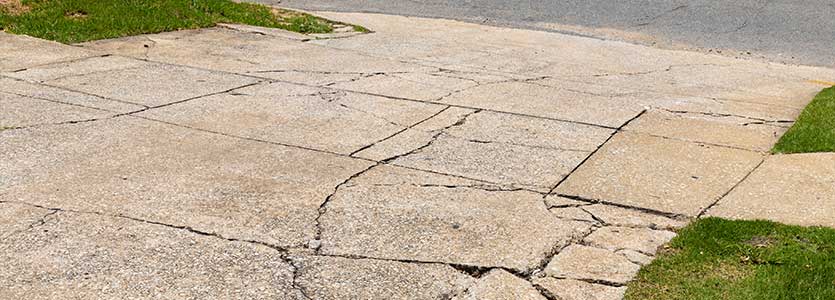
If a low area has existed for years and the concrete is otherwise stable, it may simply be something you manage during cold weather. If the standing water accompanies settlement, broken sections, or noticeable movement between slabs, it’s worth having the driveway evaluated instead of treating the ice as an isolated winter problem.
Cracks Don’t All Require the Same Response
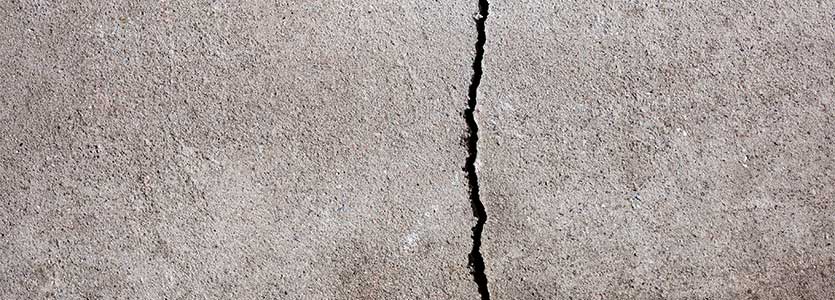
You don’t need to panic every time you notice a crack before winter. Exterior concrete can crack for several reasons, and a small stable crack is different from one that has opened substantially or sits beside a section that has dropped.
We pay more attention when a crack is changing, collecting water, or showing vertical movement between the two sides. Those conditions tell us more about what the slab is doing than the mere presence of a line in the concrete.
If you want to understand why those cracks develop, read What Causes a Concrete Driveway to Crack? If the damage has progressed far enough that you’re questioning whether the slab is worth saving, Concrete Repair vs. Replacement explains what changes that decision.
Don’t Seal Concrete Just Because November Arrived
Sealer can be useful on some concrete surfaces, particularly decorative work, but it shouldn’t become an automatic fall ritual. Different sealers have different service lives, application requirements, and temperature limits.
If a surface still has an effective sealer, adding another coat may accomplish very little. If the concrete does need sealing, the product still has to be applied under suitable temperature and moisture conditions.
For stamped or colored concrete, use a product compatible with the original finish. Decorative concrete can change noticeably when the wrong sealer is applied, so this is one area where guessing at the hardware-store shelf can create more work than it solves.
The Best Winter Maintenance Is Usually Restraint
Most concrete driveways don’t need constant attention during a Southeast Tennessee winter. Clear snow when necessary, use traction material when conditions call for it, avoid unnecessary chemicals, and keep an eye on areas where water regularly collects.
For a driveway installed this year, use even more restraint with deicing products during the first winter. That one difference is worth remembering because a homeowner who has always treated an older driveway the same way may not realize new concrete deserves a little more care.
If the slab already has major settlement, widespread deterioration, or drainage problems, winter maintenance won’t reverse those conditions. TriStar also provides concrete driveway repair when the damage remains repairable, while more extensive failure may point toward replacement.
TriStar Concrete Solutions serves Chattanooga, Cleveland, and surrounding Southeast Tennessee communities. Contact TriStar for an estimate if you’d like us to evaluate the condition of an existing driveway.
RECENT POSTS
Discover more helpful articles about concrete driveways, patios, walkways, and other residential concrete projects.
NEED HELP?
Don’t hesitate to contact us for more information about concrete services.
Talk With Our Team