
What Causes a Concrete Driveway to Crack?

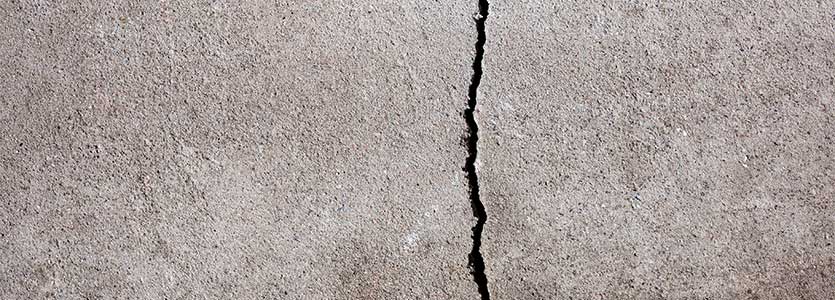
What Causes a Concrete Driveway to Crack?
A cracked driveway usually doesn’t crack for just one reason. Concrete can fail because of what happens during the pour, what happens below the slab, or what happens over the years after the driveway goes into service. If you’re seeing cracks in your driveway, the surface is showing you that something has changed, shifted, or weakened.
In the Chattanooga, TN area, most driveway cracks trace back to one of a few familiar issues: weak base prep, ground movement, water, thin concrete, poor joint placement, or plain old wear from years of traffic and weather. Some cracking stays minor. Some points to bigger problems. The important part is knowing what caused it and whether the slab still has good life left.
1. Concrete Shrinks as It Cures
Concrete doesn’t stay exactly the same size after it’s poured. As it cures and dries, it shrinks. That’s normal. The problem starts when the slab doesn’t have the right joints or enough control over where that shrinkage stress gets released.
When that happens, the concrete may crack in random places instead of cracking where the contractor intended it to. That’s one reason joint placement matters so much. A driveway needs planned control joints so the slab has a better chance of cracking in cleaner, less noticeable lines instead of splitting wherever the stress builds up.
Shrinkage cracks don’t always mean the driveway is failing. But they do show how important good planning is from the start.
2. Weak Base Prep Leaves the Slab Without Enough Support
A driveway can’t stay stable if the ground underneath it isn’t stable. If the contractor doesn’t compact the base properly, the slab may end up with weak spots underneath it. Once traffic starts hitting those areas day after day, the concrete can begin to crack, settle, or break down.
This is one of the biggest causes of driveway cracking. Property owners usually see the crack and assume the concrete itself is the problem. A lot of the time, the real problem sits below the slab. The surface only shows the result later.
That’s why good contractors pay close attention to grading and compaction before the pour ever begins. Once the concrete is in place, you can’t go back and fix weak prep without dealing with the slab itself.
3. Ground Movement Creates Stress in the Slab
Concrete is strong, but it doesn’t flex well when the ground below it moves. If the soil expands, settles, shifts, or loses support in certain sections, the slab starts taking stress it wasn’t meant to handle. Over time, that stress can lead to cracking.
Some movement happens naturally. That’s part of owning a property over time. But when a driveway sits on poorly prepared ground or struggles with drainage issues, those shifts usually hit harder and faster. In those cases, cracking is often just the first visible sign.
This is also why cracks that come with sinking or uneven concrete usually deserve more attention than simple surface cracks. They often point to a support problem, not just a cosmetic one.
Keep reading below the image for more reasons concrete develops cracks.

4. Water Causes More Damage Than People Realize
Water creates a lot of concrete problems. If water collects on the surface, runs under the slab, or stays near the edges too long, it can weaken the support below the driveway and increase the chance of cracking.
That matters because a driveway should move water away from itself, not trap it. If the grade is wrong or if runoff keeps working into the same areas, the slab may start showing stress in those weak points. The result may look like a crack in the concrete, but the real issue is often the way the site handles water.
In the Chattanooga area, heavy rain and changing moisture conditions can make those drainage problems worse over time.
5. Thin Pours & Weak Reinforcement Shorten the Life of the Driveway
A driveway has to carry real weight. Cars, trucks, repeated turning movement, and years of use all add up. If the slab goes in too thin or doesn’t have the right reinforcement for the job, it may crack sooner because it never had enough strength to begin with.
This is one of the clearest examples of how shortcuts show up later. The driveway may look fine when it’s new. Then the concrete starts breaking down under normal use because the slab wasn’t built with enough strength for the way the property actually functions.
That’s why thickness and reinforcement matter so much. They help the driveway handle the stress that comes with daily use instead of breaking down earlier than it should.
6. Heavy Use & Age Still Take a Toll
Even a well-built driveway ages. Years of traffic, weather exposure, surface wear, and changing site conditions can eventually lead to cracking. That does not always mean the original installation was poor. Sometimes it means the slab has simply been doing its job for a long time.
The important question is whether the cracking stays limited and minor or whether it starts spreading, widening, settling, or showing up with other problems. A few small cracks in an older driveway tell a different story than repeated cracking across multiple sections combined with drainage trouble or surface breakdown.
Some Cracks Matter More Than Others
Not every crack means the same thing. Hairline cracks may stay mostly cosmetic. Wider cracks, spreading cracks, cracks that come with sinking sections, and cracks that keep reopening usually deserve a closer look.
That’s why the cause matters more than the crack alone. If the slab still has strong support and the issue stays isolated, repair may make sense. If the cracking points to movement, weak support, or widespread failure, replacement may be the better answer.
What a Cracked Driveway Usually Tells You
A cracked driveway usually points to one of two things. Either the slab is aging normally and starting to show wear, or the driveway had a weakness from the start that has now become visible. The difference matters because it changes what the next step should be.
TriStar Concrete Solutions provides concrete driveway installation, repair, and replacement in the Chattanooga, TN area. If your driveway has started cracking and you want to understand what caused it and what to do next, contact our team through the website or call (423) 322-0670 to talk through the condition of the slab.
TriStar Concrete Solutions provides concrete repair and replacement in the Chattanooga, TN area. If your driveway has started cracking and you want to understand what caused it and what to do next, contact our team through the website or call (423) 322-0670 to talk through the condition of the slab and whether repair or replacement makes more sense.
RECENT POSTS
Discover more helpful articles about concrete driveways, patios, walkways, and other residential concrete projects.
NEED HELP?
Don’t hesitate to contact us for more information about concrete services.
Talk With Our Team