
How Long Before You Can Drive on a New Concrete Driveway?

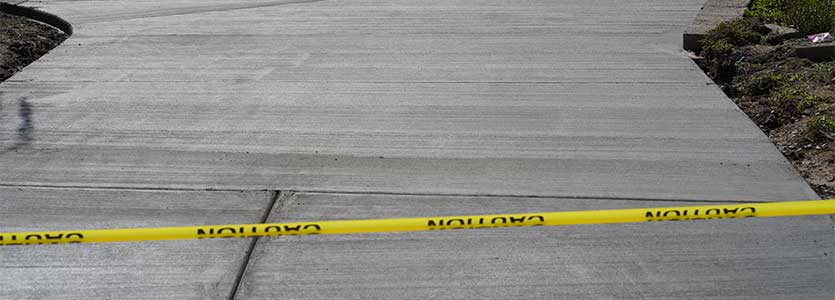
How Long Before You Can Drive on a New Concrete Driveway?
Quick Answer
For a new concrete driveway, the first five to seven days are especially important. TriStar Concrete Solutions tells customers to keep vehicles and heavy equipment off the driveway during that early curing period.
Concrete continues gaining strength long after the surface feels hard. Under typical conditions, a concrete driveway takes about 28 to 30 days to fully cure.
Temperature changes that timeline. During colder weather, concrete gains strength more slowly. If TriStar installs a driveway when temperatures are around 40 degrees, we may tell the property owner to keep vehicles off it for 14 to 20 days. Full curing can take as long as 40 days in colder conditions.
So, when can you drive on a new concrete driveway? The answer comes from the conditions during and after installation, not simply how dry the surface looks.
A Dry Surface Doesn’t Mean the Driveway Is Ready
One of the easiest mistakes to make with new concrete is judging it by appearance.
A driveway can look dry and feel hard relatively quickly. That doesn’t mean the concrete underneath has developed enough strength to handle the weight of a vehicle.
Concrete cures from the inside as a chemical reaction develops strength throughout the slab. That process continues for weeks.
The early days are particularly important because the driveway hasn’t reached the strength it’ll have later. Putting a vehicle on the slab too soon adds concentrated weight from four tires while the concrete is still developing.
That’s why we give customers a specific waiting period instead of simply telling them to use the driveway once it looks dry.
Why the First Five to Seven Days Are So Important
During normal weather conditions, TriStar wants vehicles and heavy equipment kept off a newly installed driveway for at least the first five to seven days.
Those first days give the concrete time to develop enough strength to handle normal use more safely.
This includes more than your personal vehicle. Delivery trucks, trailers, dumpsters, moving trucks, construction equipment, and other heavy loads can put considerably more stress on the slab.
If another contractor will be working at the property after the driveway installation, make sure they know the concrete is new. A heavy truck arriving too early can undo a lot of careful work in a very short amount of time.
When in doubt, wait.
Your Driveway Keeps Getting Stronger After You Start Using It
The point when you can drive on concrete isn’t the same as the point when the concrete has fully cured.
A typical concrete driveway continues developing strength for approximately 28 to 30 days.
That doesn’t mean your driveway has to sit unused for a month under ordinary conditions. It means the curing process continues after the initial waiting period.
Think of the first week as the most restrictive stage. After that, normal vehicle use can usually begin when conditions have been favorable and the contractor gives you the go-ahead.
The driveway will continue gaining strength over the following weeks.
Cold Weather Changes the Timeline
Temperature has a major effect on how quickly concrete develops strength.
As temperatures drop, the curing process slows down. Southeast Tennessee can have mild winter stretches, but colder days and nights still require a different approach than warm-weather installations.
If TriStar installs a driveway in temperatures around 40 degrees, we don’t automatically use the same five-to-seven-day timeline.
In those conditions, we may tell customers to keep vehicles off the driveway for 14 to 20 days.
The full curing period can also stretch from the normal 28 to 30 days to as long as 40 days.
That’s a substantial difference, and it’s why the temperature outside matters more than the date written on the calendar.

Why Does Concrete Take Longer to Cure When It’s Cold?
Concrete gains strength through a chemical reaction between cement and water.
Cold temperatures slow that reaction.
The driveway may still harden at the surface, but strength develops more slowly throughout the slab. Shorter winter days can also mean fewer hours of warming sunlight and longer periods of colder nighttime temperatures.
That doesn’t mean concrete driveways can’t be installed in cooler weather.
It means the contractor needs to account for those conditions, and the property owner needs to follow the longer waiting period afterward.
If we tell you to wait 14 days instead of seven, there is a reason.
Don’t Let a Warm Afternoon Fool You
Tennessee weather can change quickly.
A sunny afternoon might reach the 50s or 60s even when overnight temperatures drop much lower. One warm afternoon doesn’t suddenly put a cold-weather driveway on a summer curing schedule.
We look at the conditions surrounding the installation, including daytime and nighttime temperatures.
The concrete experiences all of them.
That becomes especially important during late fall, winter, and early spring when daytime temperatures can feel comfortable but nights remain cold.
What About Heavy Trucks and Equipment?
Normal passenger vehicles and heavy equipment shouldn’t be treated the same.
A pickup truck, moving truck, delivery vehicle, trailer, or piece of construction equipment can place significantly more weight on the driveway than a typical car.
That extra weight can also become concentrated near edges or in smaller areas of the slab.
For that reason, don’t assume that permission to park your car on the driveway means it’s ready for every vehicle that might visit the property.
If you have contractors, deliveries, landscaping crews, moving trucks, or other heavy traffic scheduled soon after installation, tell TriStar ahead of time. We can help you plan around the curing period.
The Edges Deserve Extra Care
The main driving surface isn’t the only area to protect.
Driveway edges don’t have concrete supporting them on all sides, so they can be more vulnerable to heavy loads early in the driveway’s life.
Avoid driving onto the edge, cutting corners with tires, or allowing heavy vehicles to track partly off the slab.
This is especially important while the concrete is still developing strength.
Even after the initial curing period, keeping heavy vehicles away from unsupported edges can help protect the driveway over time.
Don’t Rush a New Driveway to Save a Few Days
We understand the inconvenience.
You may need to park along the street or somewhere else on the property. Moving vehicles around gets old quickly. If your driveway provides the only convenient access to a garage, the waiting period can feel even longer.
But you’ve just invested in a new driveway.
Waiting several additional days is a small inconvenience compared with damaging new concrete before it develops enough strength.
If weather conditions require a longer curing period, we’ll tell you. We’d rather have you wait than give you an overly optimistic date just to make the answer easier.
Frequently Asked Questions
How long should I stay off a new concrete driveway?
Under typical conditions, TriStar recommends keeping vehicles and heavy equipment off a new driveway for the first five to seven days. We’ll give you specific instructions for your project based on the conditions during installation.
How long does a concrete driveway take to fully cure?
A concrete driveway typically takes about 28 to 30 days to fully cure under normal conditions. The concrete continues gaining strength during that time even though you may begin using the driveway earlier.
Can cold weather make concrete take longer to cure?
Yes. Cold temperatures slow strength development. When TriStar installs concrete in temperatures around 40 degrees, we may recommend keeping vehicles off the driveway for 14 to 20 days.
Can concrete take longer than 30 days to fully cure?
Yes. During colder weather, the full curing process can stretch to approximately 40 days.
Can I drive a heavy truck on my new driveway after a week?
Don’t assume that you can. Heavy trucks and equipment put more stress on the slab than normal passenger vehicles. Ask TriStar before allowing heavy vehicles onto recently installed concrete.
Follow the Instructions for Your Driveway
There isn’t one waiting period that applies to every new concrete driveway.
Under typical conditions, five to seven days is an important first benchmark. Cold temperatures can extend that period considerably. Your driveway will then continue gaining strength until it reaches its full cure.
TriStar Concrete Solutions gives customers specific guidance based on the weather and conditions surrounding their installation. If we’ve installed your driveway, follow the timeline we give you rather than a generic answer you found online.
If you’re considering a new concrete driveway in Chattanooga, Cleveland, or a surrounding community, contact TriStar Concrete Solutions through our website or call (423) 322-0670 to request a free estimate.
RECENT POSTS
Discover more helpful articles about concrete driveways, patios, walkways, and other residential concrete projects.

NEED HELP?
Don’t hesitate to contact us for more information about concrete services.
Talk With Our Team